
Have you ever heard someone mention Intuitive Kinesiology and wondered what it actually involves? If so, you’re not alone. For many people, the name sounds unfamiliar, and it’s often difficult to know what to expect from a session or whether it’s the right approach for their wellbeing.
Intuitive Kinesiology is a gentle complementary therapy that combines muscle testing with practitioner experience, observation and intuition to explore areas where the body may need additional support. Rather than focusing on a single symptom, it takes a whole-person approach, recognising that physical, emotional and lifestyle factors can all influence how we feel.
Many people seek out Intuitive Kinesiology because they want to better understand their wellbeing, create healthier habits or simply take time to reconnect with themselves. While everyone’s experience is unique, the therapy aims to provide a calm and supportive space where clients can explore their wellbeing in a holistic way.
If you’re considering your first appointment, this beginner’s guide will explain what Intuitive Kinesiology is, how it works, what happens during a session and how it may complement your overall wellness routine.
What Is Intuitive Kinesiology?
Intuitive Kinesiology is a holistic complementary therapy that uses gentle muscle testing as part of an individualised assessment. Practitioners believe the body communicates valuable information through subtle responses, helping to identify areas that may benefit from greater awareness or support.
Unlike conventional medical assessments, Intuitive Kinesiology is not designed to diagnose illness or replace healthcare provided by your GP or other medical professionals. Instead, it is used to encourage a deeper understanding of your overall wellbeing and to support positive lifestyle choices.
At the heart of Intuitive Kinesiology is the idea that the body, mind and emotions are interconnected. Everyday life can affect our sense of balance in many ways. Busy schedules, ongoing stress, poor sleep, emotional challenges and lifestyle habits can all influence how we feel physically and mentally.
By looking at wellbeing from a broader perspective, practitioners aim to understand the individual rather than focusing on a single concern. Every session is personalised because no two people have the same experiences, lifestyle or goals.
Many people describe Intuitive Kinesiology as an opportunity to pause, reflect and become more aware of their body’s responses. Rather than offering quick fixes, it encourages a thoughtful and balanced approach to long-term wellbeing.
How Does Intuitive Kinesiology Work?
One of the most common questions people ask is, “How does Intuitive Kinesiology actually work?”
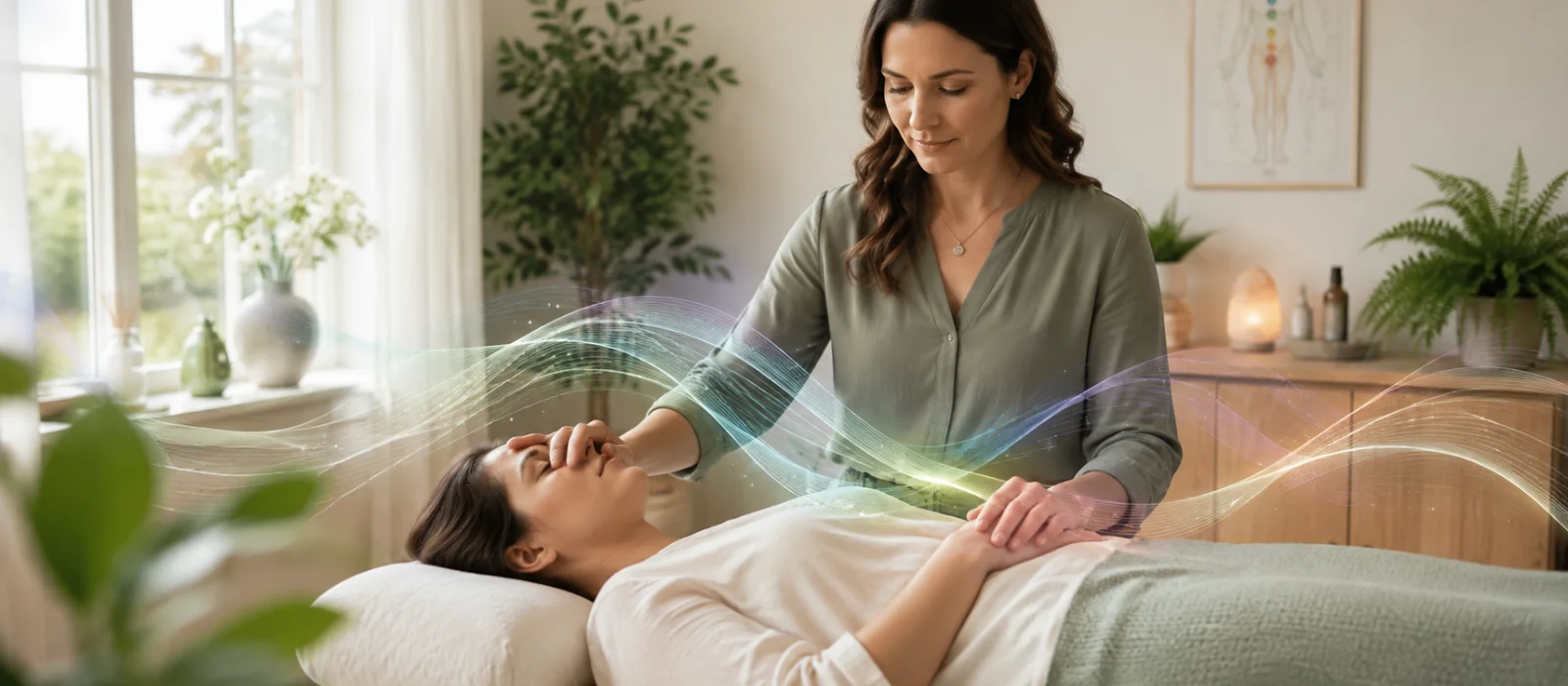
A key part of the process is gentle muscle testing. This involves applying light pressure to specific muscles while observing the body’s response. These responses are considered alongside the client’s discussion, wellbeing goals and the practitioner’s professional judgement to help guide the session.
It’s important to understand that muscle testing is not a medical diagnostic tool. Within Intuitive Kinesiology, it is used as one element of a holistic assessment to help explore patterns and identify areas that may benefit from attention or further discussion.
Each appointment is tailored to the individual. There is no standard routine or one-size-fits-all treatment. Depending on the client’s needs, the session may include conversations about lifestyle, stress levels, emotional wellbeing, daily habits or other factors that contribute to overall health.
What Happens During an Intuitive Kinesiology Session?
If you’ve never experienced Intuitive Kinesiology before, it’s completely natural to feel curious about what an appointment involves. Most people are pleasantly surprised by how relaxed and welcoming the experience feels.
Your first session usually begins with a conversation about your general wellbeing, lifestyle and the reasons you’ve chosen to book an appointment. This is an opportunity to discuss any questions you may have and to share what you hope to gain from the session.
Once the initial discussion is complete, your practitioner will explain the muscle testing process and guide you through each step. Gentle muscle testing is carried out in a comfortable and respectful manner, always ensuring that you understand what is happening throughout the appointment.
Depending on your individual needs, Lauren may also explore factors such as stress, daily routines, emotional wellbeing and lifestyle habits to build a broader picture of your overall wellness. Every session is adapted to the individual, meaning no two appointments are exactly the same.
Throughout the session, the emphasis remains on creating a calm, supportive environment where you can relax and feel listened to. Many people leave feeling more aware of their wellbeing and with practical suggestions that may help support healthier everyday choices.
Sessions typically last around one hour, although this may vary depending on individual circumstances and the type of appointment booked.
Who May Choose Intuitive Kinesiology?
One of the questions I hear most often is, “Is Intuitive Kinesiology suitable for someone like me?” The answer is that people seek this therapy for many different reasons, and every individual’s experience is unique.
Some clients are simply looking for a greater sense of balance in their busy lives. Others want dedicated time to slow down, reflect and focus on their personal wellbeing. Rather than concentrating on one specific issue, Intuitive Kinesiology encourages a broader understanding of how different aspects of daily life can influence overall health and wellbeing.
While experiences vary from person to person, many people choose Intuitive Kinesiology as part of their wellness journey when they would like support with:
Managing Everyday Stress
Modern life can often feel demanding. Work commitments, family responsibilities and busy schedules may leave little time for rest or self-care. Many clients choose Intuitive Kinesiology because it provides an opportunity to step away from these pressures and spend time focusing on themselves in a calm, supportive environment.
The session encourages relaxation and self-awareness, helping clients reconnect with how they are feeling both physically and emotionally.
Feeling Emotionally Overwhelmed
Everyone experiences periods where life feels emotionally challenging. While Intuitive Kinesiology is not a substitute for professional medical or psychological care, some people find that taking time to explore their overall wellbeing helps them better understand how stress and emotions may be affecting their daily lives.
The aim is not to diagnose or treat emotional conditions, but to provide a supportive space where clients can reflect on their wellbeing and identify positive lifestyle practices that may help them feel more balanced.
Supporting Relaxation
Relaxation is an important part of maintaining overall wellbeing, yet it is often overlooked. Many people find it difficult to truly switch off, even during their free time.
Intuitive Kinesiology sessions are designed to be gentle, unhurried and personalised. The calm setting allows clients to relax, become more mindful of their body’s responses and enjoy dedicated time away from the demands of everyday life.
Improving Self-Awareness
Our bodies often give us signals that we may not notice when life becomes busy. Developing greater awareness of our physical sensations, emotions and daily habits can be an important step towards making healthier lifestyle choices.
Intuitive Kinesiology encourages clients to pause, reflect and consider how different aspects of their lives may be influencing their overall wellbeing. This increased self-awareness can help people make informed decisions about their personal wellness routine.
Creating Healthier Lifestyle Habits
Many people choose complementary therapies because they want to become more proactive about their wellbeing. An Intuitive Kinesiology session may prompt discussions about sleep habits, hydration, nutrition, stress management, movement and self-care practices that support a balanced lifestyle.
Rather than offering quick solutions, the focus is on encouraging sustainable, realistic changes that fit comfortably into everyday life.
Supporting Overall Wellbeing
Intuitive Kinesiology takes a whole-person approach. Instead of viewing wellbeing as purely physical or emotional, it recognises that many different factors contribute to how we feel.
Clients often appreciate this holistic perspective because it allows them to explore their wellbeing in a personalised way. Every session is adapted to the individual, ensuring that support is based on their own experiences, goals and priorities.
A Personalised Approach for Every Client
No two people arrive with exactly the same lifestyle, experiences or expectations. For that reason, every Intuitive Kinesiology appointment is tailored to the individual rather than following a fixed routine.
Lauren McKeown begins each session by listening carefully to the client’s concerns, discussing their wellbeing goals and explaining the process in clear, reassuring language. This collaborative approach helps create an experience where clients feel comfortable, informed and involved throughout the session.
Whether someone is completely new to holistic therapies or has explored complementary treatments before, the emphasis remains the same: providing professional, compassionate support in a calm and welcoming environment.
It’s also important to remember that Intuitive Kinesiology complements conventional healthcare rather than replacing it. If you have concerns about your physical or mental health, you should always seek advice from your GP or another appropriately qualified healthcare professional. Many people choose Intuitive Kinesiology as part of a broader approach to wellbeing alongside healthy lifestyle habits and conventional medical care where appropriate.
Common Myths About Intuitive Kinesiology
As Intuitive Kinesiology becomes more widely recognised, it’s natural for questions and misconceptions to arise. Understanding the facts can help you make an informed decision about whether this complementary therapy aligns with your wellbeing goals.
| Myth | Fact |
| “Intuitive Kinesiology is painful.” | No. Muscle testing uses gentle pressure and is generally a comfortable, non-invasive process. Your practitioner will always work within your comfort level. |
| “It replaces medical treatment.” | Intuitive Kinesiology is a complementary therapy. It is designed to support overall wellbeing alongside conventional healthcare, not replace advice or treatment from your GP or other healthcare professionals. |
| “It’s only about energy.” | Sessions consider a range of factors, including lifestyle, stress, emotional wellbeing and body awareness. Energy awareness may form part of the holistic approach, but it is not the sole focus. |
| “It’s the same as physiotherapy.” | No. Physiotherapy is a regulated healthcare profession focused on assessing and treating physical conditions. Intuitive Kinesiology is a complementary therapy that takes a holistic approach to wellbeing. |
| “One session will fix everything.” | Everyone’s wellbeing journey is different. Some people choose occasional sessions, while others include Intuitive Kinesiology as part of their ongoing self-care routine.> |
Understanding these differences helps set realistic expectations and encourages people to approach the therapy with curiosity rather than assumptions.
Can Intuitive Kinesiology Be Combined with Other Therapies?
Yes. Many people choose to combine Intuitive Kinesiology with other complementary therapies to create a personalised wellbeing plan.
Depending on your goals, your practitioner may suggest that Intuitive Kinesiology sits alongside therapies such as:
- Reflexology
- Massage Therapy
- Reiki
- Mindfulness practices
- Counselling or coaching
- Relaxation techniques
- Healthy nutrition and movement
- Good sleep habits
Each therapy offers a different perspective on wellbeing. While massage may focus on muscles and soft tissues, reflexology concentrates on reflex points, and Reiki centres on energy-based relaxation. Intuitive Kinesiology complements these approaches by encouraging greater awareness of the connections between physical, emotional and lifestyle factors.
What Is Reiki and Why Are More People Turning to It for Emotional Wellbeing?
It’s important to remember that complementary therapies work alongside conventional healthcare. They should never be viewed as a replacement for appropriate medical assessment, diagnosis or treatment.
How to Prepare for Your First Appointment
If you’re visiting for the first time, there’s very little you need to do. The aim is simply to arrive feeling as comfortable and relaxed as possible.
Helpful suggestions include:
- Wear loose, comfortable clothing.
- Drink plenty of water before your appointment.
- Allow yourself enough time so you don’t feel rushed.
- Think about your current wellbeing goals or any areas you’d like to discuss.
- Bring any questions you may have.
- Arrive with an open mind and realistic expectations.
There is no need for special preparation. Your practitioner will explain every step of the session, ensuring you feel informed and comfortable throughout your appointment.
Frequently Asked Questions
What is Intuitive Kinesiology?
Intuitive Kinesiology is a complementary therapy that combines gentle muscle testing with a holistic approach to support greater awareness of overall wellbeing.
How does muscle testing work?
Muscle testing involves applying gentle pressure to specific muscles while observing the body’s responses. It forms one part of the holistic assessment process and is not used to diagnose medical conditions.
Is Intuitive Kinesiology painful?
No. Most people find the treatment gentle and relaxing. Your practitioner will always adjust techniques to ensure you remain comfortable.
How long does a session last?
Most appointments last around 60 minutes, although this may vary depending on your individual needs.
How many sessions will I need?
There is no standard number of sessions. Some people attend occasionally, while others include Intuitive Kinesiology as part of their regular wellbeing routine.
Is Intuitive Kinesiology suitable for everyone?
Many adults choose Intuitive Kinesiology as part of their holistic wellbeing journey. If you have any health concerns or are unsure whether the therapy is appropriate for you, speak with your GP and discuss your circumstances with your practitioner before booking.
Can Intuitive Kinesiology replace medical treatment?
No. It is a complementary therapy designed to work alongside conventional healthcare, not replace it.
Do I need to prepare before my appointment?
Very little preparation is needed. Wearing comfortable clothing, staying hydrated and arriving relaxed will help you enjoy your session.
Meet Lauren McKeown

Lauren McKeown is a BioKinesiologist and Intuitive Energy Healer based at Carrigaline Wellness Centre in County Cork. She is passionate about supporting people on their individual wellbeing journeys through a thoughtful, compassionate and holistic approach.
Lauren creates a welcoming environment where clients feel comfortable discussing their wellbeing goals and exploring personalised complementary therapy sessions. Her approach recognises that every individual is unique, with treatments tailored to each person’s experiences, lifestyle and aspirations.
She welcomes clients from Carrigaline, Crosshaven, Douglas, Cork City, Ballincollig, Kinsale, Midleton, Carrigtwohill, Little Island, Cobh and surrounding areas throughout County Cork.
Key Takeaways
- Intuitive Kinesiology is a gentle complementary therapy that takes a whole-person approach to wellbeing.
- Muscle testing forms part of the holistic assessment process but is not a medical diagnostic tool.
- Every session is personalised to the individual.
- Many people choose Intuitive Kinesiology to support relaxation, self-awareness and overall wellbeing.
- It can complement therapies such as Reflexology, Massage Therapy and Reiki.
- Complementary therapies should always work alongside conventional healthcare.
- A qualified practitioner can help you decide whether Intuitive Kinesiology is suitable for your personal wellbeing goals.
Conclusion
If you’ve been wondering “What Is Intuitive Kinesiology?”, the answer is simpler than many people expect. It is a gentle, client-centred complementary therapy that encourages greater awareness of your overall wellbeing by considering the connections between the body, mind, emotions and lifestyle.
Rather than offering quick fixes or making unrealistic promises, Intuitive Kinesiology provides an opportunity to pause, reflect and explore your wellbeing in a calm, supportive environment. Every session is tailored to the individual, recognising that no two people share the same experiences or goals.
Whether you’re beginning your holistic wellness journey or looking to complement your existing self-care routine, understanding your options is the first step towards making informed decisions about your wellbeing.
If you’d like to learn more or discuss whether Intuitive Kinesiology may be suitable for you, Lauren McKeown would be delighted to answer your questions and help you explore the therapies available at Carrigaline Wellness Centre.