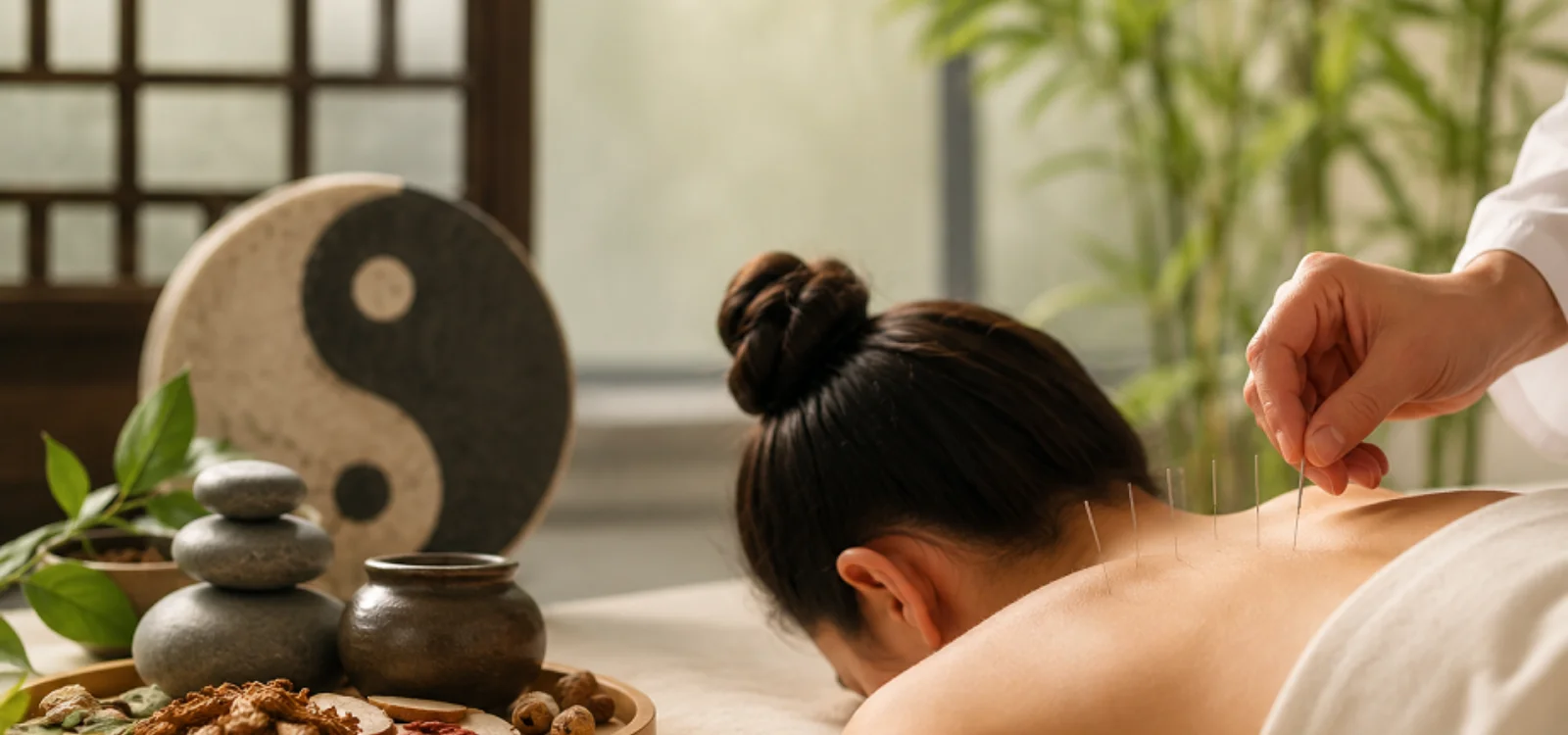


Acupuncture is one of the oldest forms of complementary healthcare in the world, yet it remains one of the most misunderstood. If you’re considering acupuncture for the first time, you may be wondering: How does acupuncture work? Does it hurt? Is it based on science? Is it suitable for me?
These are all sensible questions, and you’re certainly not alone in asking them.
For thousands of years, Traditional Chinese Medicine (TCM) has viewed health as more than simply the absence of illness. Instead, it sees wellbeing as a balance between the body, mind and emotions, recognising that every person is unique. Modern life often places many demands on us—busy work schedules, family responsibilities, poor sleep, emotional pressures and constant digital distractions can all leave us feeling out of balance. This is one reason why many people are exploring holistic approaches that encourage them to take a step back and look at their health as a whole.
Unlike treatments that focus on a single symptom, Traditional Chinese Medicine takes a broader view. It considers your lifestyle, sleep, stress levels, diet, emotional wellbeing and overall health history before creating an individualised treatment plan. The goal is to understand the person behind the symptoms rather than treating everyone in the same way.
As a Traditional Chinese Medicine Practitioner and Acupuncturist at Carrigaline Wellness Centre, I often meet people who feel curious about acupuncture but are unsure what to expect. Some worry about needles, while others simply want to understand how a treatment that has existed for thousands of years still has a place in modern wellbeing.
Quick Answer: How Does Acupuncture and Traditional Chinese Medicine Work?
Traditional Chinese Medicine is a holistic healthcare system that focuses on maintaining balance throughout the body and mind. Acupuncture is one of its key therapies, using very fine, sterile needles placed at carefully selected points following a personalised consultation. Rather than taking a one-size-fits-all approach, acupuncture considers your overall wellbeing, lifestyle and individual needs. Many people choose it as a complementary therapy alongside healthy lifestyle choices and conventional medical care.
What Is Traditional Chinese Medicine?
Traditional Chinese Medicine, commonly known as TCM, is a holistic system of healthcare that has developed over thousands of years. Although its origins are ancient, its guiding principles continue to interest people seeking a more personalised approach to supporting their wellbeing.
One of the central ideas behind Traditional Chinese Medicine is that everything in the body is connected. Physical health, emotional wellbeing, daily habits, nutrition, sleep and the environment are all believed to influence one another. Instead of focusing on a single concern in isolation, TCM encourages practitioners to look at the bigger picture.
This whole-person philosophy means that no two consultations are exactly alike. Two people may arrive with similar concerns, yet their lifestyles, stress levels, routines and health histories may be very different. As a result, their treatment plans may also differ.
Traditional Chinese Medicine includes several complementary approaches, such as:
- Acupuncture
- Dietary and nutritional guidance
- Lifestyle recommendations
- Breathing and relaxation practices
- Traditional health principles based on observation and individual care
Today, many people choose Traditional Chinese Medicine because they appreciate its personalised nature and the time practitioners spend understanding them as individuals.
What Is Acupuncture?
Acupuncture is perhaps the best-known therapy within Traditional Chinese Medicine. It involves the careful placement of very fine, sterile, single-use needles into specific points on the body by a qualified practitioner.
If you’ve never experienced acupuncture before, it’s natural to feel a little nervous about the idea of needles. However, acupuncture needles are much thinner than those used for injections or blood tests, and many people are surprised by how gentle the treatment feels.
An acupuncture consultation involves much more than simply placing needles. Your practitioner will begin by taking time to understand your overall health and wellbeing. You may be asked about your:
- Sleep patterns
- Energy levels
- Daily routine
- Nutrition
- Emotional wellbeing
- Exercise habits
- Medical history
- Lifestyle
- Personal wellbeing goals
These conversations help create a treatment plan that reflects your individual needs rather than applying the same approach to everyone.
This personalised care is one of the defining features of Traditional Chinese Medicine and helps build trust between practitioner and client.
How Does Acupuncture Work?
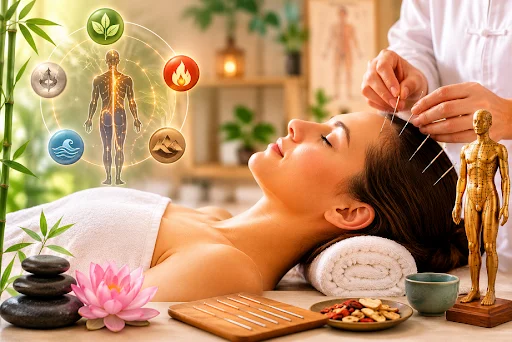
One of the most common questions I hear is, “How does acupuncture actually work?”
Traditional Chinese Medicine explains acupuncture using the concept of Qi (pronounced “chee”), often described as the body’s vital energy. According to TCM, Qi flows through channels called meridians, creating a network that connects different parts of the body.
The aim of acupuncture is to support the smooth and balanced flow of Qi. From a Traditional Chinese Medicine perspective, when this balance is maintained, the body is better able to function harmoniously.
A simple analogy is to imagine your body as a network of rivers supplying water across a landscape. When the rivers flow freely, everything receives the nourishment it needs. If one area becomes blocked or disrupted, the balance of the whole system can be affected. Traditional Chinese Medicine uses acupuncture to help restore that sense of balance within the body’s natural pathways.
From a modern scientific perspective, acupuncture is also being studied for its effects on the nervous system and other biological processes. Research continues to explore how acupuncture influences the body’s natural responses, although Traditional Chinese Medicine and modern biomedical science use different ways of explaining health.
Rather than seeing these approaches as conflicting, many people choose acupuncture as a complementary therapy alongside conventional healthcare, healthy lifestyle habits and advice from their GP or specialist.
Understanding Qi, Yin & Yang and the Five Elements
Some of the terminology used in Traditional Chinese Medicine may sound unfamiliar at first, but the ideas behind it are surprisingly simple.
What Is Qi?
Qi is commonly translated as life energy or vital energy. In Traditional Chinese Medicine, it represents the energy that supports the body’s natural functions and overall vitality. While Qi is a traditional concept rather than a scientific measurement, it provides a framework for understanding balance and wellbeing within TCM.
What Is Yin and Yang?
Yin and Yang describe two complementary forces that exist in harmony rather than opposition. They symbolise the balance found throughout nature and within ourselves.
Examples include:
- Rest and activity
- Day and night
- Calm and movement
- Warmth and coolness
Neither is considered better than the other. Traditional Chinese Medicine suggests that good health is supported when these opposite yet connected qualities remain in balance.
What Are the Five Elements?
The Five Elements—Wood, Fire, Earth, Metal and Water—form another important framework within Traditional Chinese Medicine. Rather than representing physical materials, they describe patterns and relationships found in
nature and the human body.
Practitioners use these principles to understand how different aspects of health may interact, always considering the individual as a whole.
What Happens During Your First Acupuncture Appointment?
Your first appointment is all about getting to know you. Before any treatment begins, your practitioner will spend time understanding your overall health, lifestyle and wellbeing.
Every person is different, so every consultation is personalised.
1. A Friendly Conversation
Your appointment starts with a relaxed discussion about your health, wellbeing and what has brought you to the clinic. This is your opportunity to ask questions and share any concerns you may have.
2. Your Health History
Your practitioner will ask about your:
- General health
- Sleep
- Energy levels
- Diet and nutrition
- Daily routine
- Emotional wellbeing
- Exercise habits
- Medical history
- Lifestyle
These questions help build a complete picture of your wellbeing.
3. Personalised Assessment
Traditional Chinese Medicine looks at you as a whole person, not just one concern. Your practitioner uses the information gathered during the consultation to develop an individualised treatment plan that suits your needs.
4. Acupuncture Treatment
If acupuncture is appropriate, very fine, sterile, single-use needles are gently placed at carefully selected acupuncture points.
The needles usually remain in place for around 20 to 30 minutes while you relax in a calm and comfortable environment.
5. Follow-Up Guidance
Before you leave, your practitioner may discuss simple lifestyle suggestions or recommend when a follow-up appointment may be beneficial, depending on your individual circumstances.
Does Acupuncture Hurt?
This is one of the most common questions people ask.
The answer is that most people are pleasantly surprised by how gentle acupuncture feels.
Acupuncture needles are extremely fine—much thinner than those used for injections or blood tests.
Some people feel a light tingling, warmth or a dull sensation around the acupuncture point, while others hardly notice the needles at all.
Everyone’s experience is different, and your comfort is always a priority throughout the treatment.
Is Acupuncture Suitable for All Ages?
Acupuncture takes an individual approach to care, making it suitable for many people when provided by a qualified practitioner.
Adults
Many adults choose acupuncture to support their overall wellbeing while managing busy work and family lives.
Older Adults
Older adults often appreciate the personalised approach that Traditional Chinese Medicine provides, taking lifestyle, health history and wellbeing goals into account.
Teenagers
Teenagers may also benefit from an individual assessment where appropriate. Parents or guardians are involved whenever necessary.
Before any treatment begins, your practitioner will discuss whether acupuncture is suitable for your personal circumstances.
Why Do People Choose Traditional Chinese Medicine?
Traditional Chinese Medicine encourages people to look beyond a single symptom and consider their overall wellbeing.
Many people choose acupuncture because they value a personalised and holistic approach.
People often seek guidance to support:
- Relaxation
- Everyday stress management
- Emotional wellbeing
- Healthy lifestyle habits
- Better balance in daily life
- General wellbeing
The focus is always on supporting the individual rather than treating everyone the same way.
Can Acupuncture Be Used Alongside Conventional Healthcare?
Yes.
Many people choose acupuncture as a complementary therapy, meaning it is used alongside conventional healthcare rather than replacing it.
If you are receiving care from your GP, consultant or another healthcare professional, it is important to continue following their advice.
Your acupuncturist will ask about your medical history and any current treatments to ensure your care is appropriate and personalised.
How Elaine O’Rourke Supports Clients at Carrigaline Wellness Centre
As a Traditional Chinese Medicine Practitioner and Acupuncturist, I believe every person deserves to be heard and understood.
I take time to learn about your health, lifestyle and wellbeing before creating an individual treatment plan.
My aim is to provide a calm, supportive and welcoming environment where you can ask questions and feel confident throughout your wellbeing journey.
Every consultation is tailored because every individual is unique.
Conclusion
Traditional Chinese Medicine takes a whole-person approach to health, recognising the connection between the body, mind and everyday life. Acupuncture is one of its best-known therapies and is based on personalised care rather than a one-size-fits-all approach.
Understanding how acupuncture works can help you make informed decisions about your wellbeing and feel more confident if you are considering your first appointment.
If you would like to learn more about acupuncture or discuss whether it may be suitable for your individual needs, Elaine O’Rourke, Traditional Chinese Medicine Practitioner and Acupuncturist at Carrigaline Wellness Centre, is here to provide professional, compassionate guidance. She welcomes clients from Carrigaline, Cork City and surrounding areas across County Cork, offering personalised care in a warm and supportive environment.
References:
World Health Organization (WHO)
Health Service Executive (HSE Ireland)
National Center for Complementary and Integrative Health (NCCIH)
Author Bio
Elaine O’Rourke – Traditional Chinese Medicine Practitioner & Acupuncturist
Elaine O’Rourke is a qualified Traditional Chinese Medicine Practitioner and Acupuncturist based at Carrigaline Wellness Centre in County Cork. She provides personalised acupuncture and Traditional Chinese Medicine consultations, taking a whole-person approach that considers physical, emotional and lifestyle factors. Elaine welcomes clients from Carrigaline, Cork City, Douglas, Crosshaven, Kinsale, Midleton, Ballincollig, Carrigtwohill, Little Island, Cobh, Ballygarvan and surrounding areas, helping individuals make informed choices about their wellbeing through compassionate, professional care.